
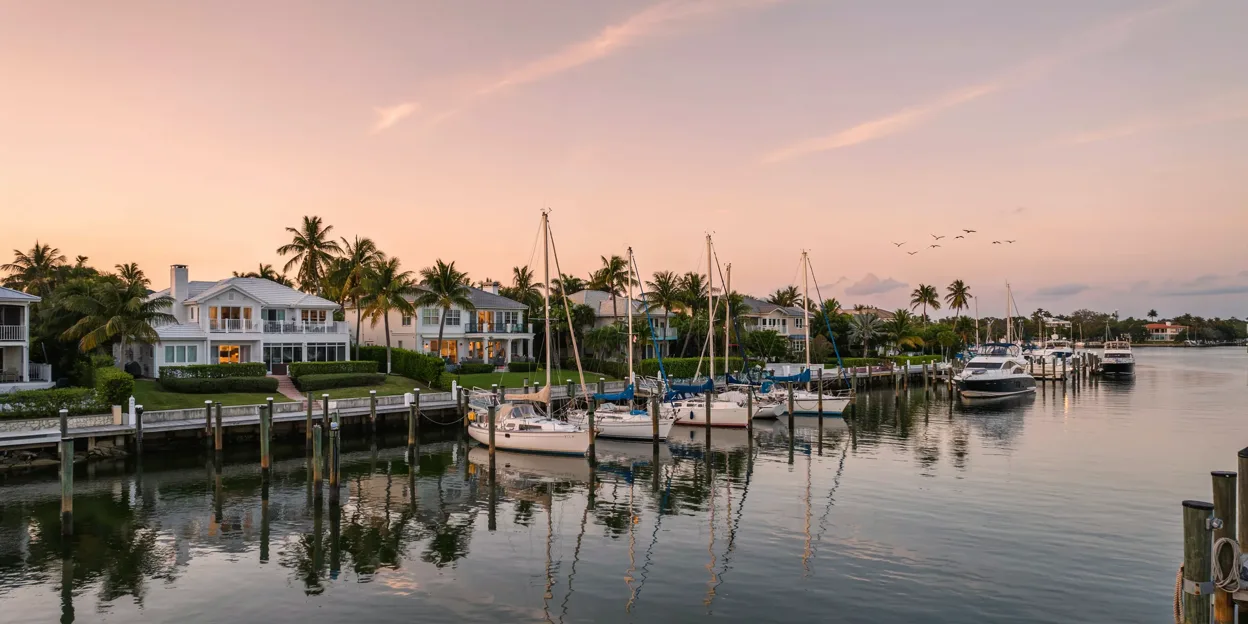
Cape Haze is the peninsula between Lemon Bay and Gasparilla Sound, south of Rotonda West and north of Placida. The original Cape Haze plat from the 1950s was laid out as a low-density, deed-restricted community of large lots, and it has stayed that way: mid-century homes on the bay, newer elevated homes on the sound side, and a nature preserve in the middle where a golf course used to be.
The whole peninsula sits in the open. Ian's eyewall came across it on September 28, 2022, with nothing to slow the wind but mangrove. Helene's surge in September 2024 came up both sides, and Milton's wind followed two weeks later. Metal roofs have become the norm here, and the older shingle that remains has been through more than its share.
This site connects Cape Haze homeowners by phone with an independent local roofing contractor. It does not perform the work.
An exposed-fastener metal roof with rust at the screws is a roof repair while it is still fasteners and not panels. A mid-century shingle roof that three storms have worked over is a roof replacement, and the scope should name marine-grade fasteners and a sealed underlayment. A seasonal owner leaving in spring does well to book a roof inspection first, so a dated report is on file before hurricane season.
The Cape Haze Property Owners Association holds the deed restrictions for the original plat, and a roof material change goes through its review before the county permit. The Lemon Bay Conservancy runs the Wildflower Preserve on the old golf course at the center of the peninsula. Roofing permits go through Charlotte County Community Development.
Call (941) 294-6154 to be connected with a local roofing contractor serving Cape Haze.
A leak traced to its real entry point, then the flashing, boot, tile, or shingle that let it in put right and photographed.
Tear-off to the deck, new underlayment, and tile, metal, or shingle fastened to the Florida Building Code, with the county permit pulled.
A tarp on the opening before the next rain band, then photos and a written scope of what the wind took.
A walk of the roof and the attic side, with photos and a written condition report you can hand a buyer or an insurer.
The state OIR-B1-1802 form completed on your roof's straps, deck nailing, and water barrier, so your agent can apply the credits.
Dated photos, a line-item scope, and a contractor at the adjuster visit, so the claim is about what the roof shows.